


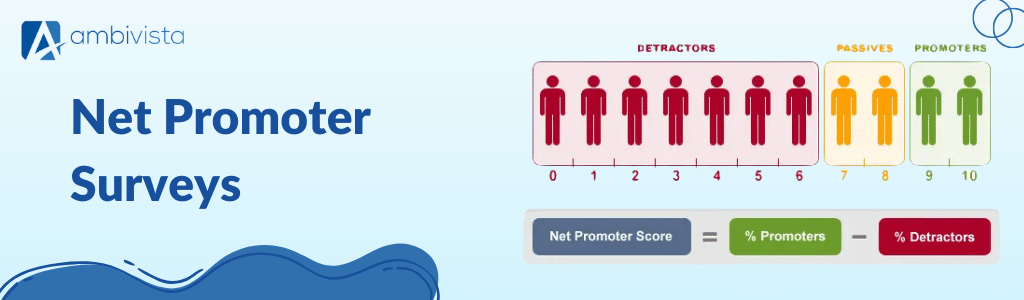
Seeing a high net promoter survey (NPS) score is awesome! It means your customers like you, want to tell their friends about you, and enjoy what you offer. But sometimes, when you check how many customers stick around, the numbers don’t quite match up. Understanding why this happens is crucial for maintaining long-term growth and ensuring your efforts truly pay off.
What’s Going On?
NPS shows how likely people say they are to recommend you. That’s super valuable—it tells you they’re happy and ready to spread the word. But keeping customers around is about what they actually do over time, like renewing their subscription or coming back to buy again. Sometimes, a high NPS can mask underlying challenges in engagement, adoption, or customer support, which may only appear after weeks or months.
Timing Is Everything
When you ask for NPS feedback right after a great moment (like when a customer just got set up or received excellent support), they might feel extra happy and give you a high score. However, a few weeks later, they might face issues with the product or service that weren’t captured in the survey. This is why it’s essential to consider the timing of your NPS survey and complement it with ongoing monitoring of customer behavior.
Not All Fans Use Your Product the Same Way
Some promoters genuinely love your brand but don’t use the product as often as expected. They might cheer you on publicly, leave positive reviews, or recommend your service to friends, but if a competitor offers something more convenient or a personal situation changes, they might disengage. Segmenting your promoters and understanding their usage patterns helps ensure these fans remain active and loyal over the long term.
NPS Is One Piece of the Puzzle
While NPS is an excellent indicator of customer sentiment, it doesn’t tell the full story. To truly understand customer health and retention risks, it’s smart to combine NPS with additional insights such as:
- Frequency of product or service usage,
- Reasons for customer churn or dissatisfaction,
- Stages in the customer journey where users are most likely to disengage.
What Should You Do?
If you see a strong net promoter score but retention could improve, it’s time to take a deeper look. Consider these steps:
- Break down your NPS by customer type and tenure to see who is truly loyal,
- Compare NPS scores with actual renewal, retention, and cancellation data to find gaps,
- Track engagement and satisfaction trends over time to anticipate potential churn before it happens.
It’s also valuable to consider the role of customer experience touchpoints in shaping both NPS and retention. A high NPS might highlight your exceptional onboarding or customer service, but the real measure of success is whether that positive sentiment leads to repeated usage and long-term loyalty. Companies that integrate NPS with other performance and behavioral metrics tend to make smarter, data-driven decisions that improve both satisfaction and revenue.
Creating a Continuous Feedback Loop
To maximize the value of your NPS, consider establishing a continuous feedback loop. Regularly ask for feedback, analyze the results, and then take action based on what you learn. Let customers know you’re listening and making improvements. This helps reinforce trust and demonstrates that their opinions matter beyond just a survey response.
Additionally, consider implementing follow-up surveys or check-ins after significant milestones. For example, after onboarding, after a key product update, or following a customer support interaction. This allows you to capture sentiment at multiple points in the customer journey, giving a more accurate view of engagement and loyalty over time.
Segmenting Your Customers for Deeper Insights
Not all promoters and detractors are the same. Segmenting customers by behavior, demographics, or product usage can reveal hidden patterns. Perhaps long-term customers have consistently high NPS, but new users struggle to see the value. Or maybe certain features create excitement for one segment but confusion for another. Understanding these nuances enables more personalized engagement strategies that improve retention across all customer groups.
Aligning NPS With Business Goals
It’s important to align your NPS tracking with strategic business goals. For example, if your goal is increasing subscription renewals, focus on how NPS correlates with renewal rates. If your goal is referrals, look at the relationship between promoter scores and actual referral behavior. This ensures NPS is not just a number but a tool for actionable insights that drive growth.
Conclusion
A high net promoter survey score is something to celebrate. It shows your customers are happy, engaged, and likely to recommend your brand. But remember, it’s only one piece of the puzzle. By combining NPS with actual behavior data, retention metrics, and segmentation, you can create a complete picture of customer health.
Use NPS to guide improvements, build loyalty, and proactively address issues before they escalate. With the right strategy, you can turn happy customers into long-term, loyal advocates who stay with you for years. This approach ensures that both sentiment and actions align to create sustainable growth.
At the end of the day, a great net promoter survey score is a milestone, not the finish line. Track trends, act on insights, and integrate NPS with other key metrics to unlock the full potential of your customer relationships.
For businesses seeking to implement these strategies effectively and maximize the impact of customer feedback, Ambivista provides comprehensive tools and insights to help companies monitor NPS, track retention, and optimize the customer journey for long-term success.
