


In the dynamic landscape of business, understanding customer sentiments goes beyond measuring satisfaction, it’s about unlocking the secrets of customer advocacy. At the core of this exploration lies the Net Promoter Survey, a tool that transcends traditional feedback mechanisms by delving into the realm of loyalty.
In this article, we will guide you through the transformative journey of understanding and harnessing this valuable metric.
The Simplicity and Impact of the Net Promoter Score (NPS)
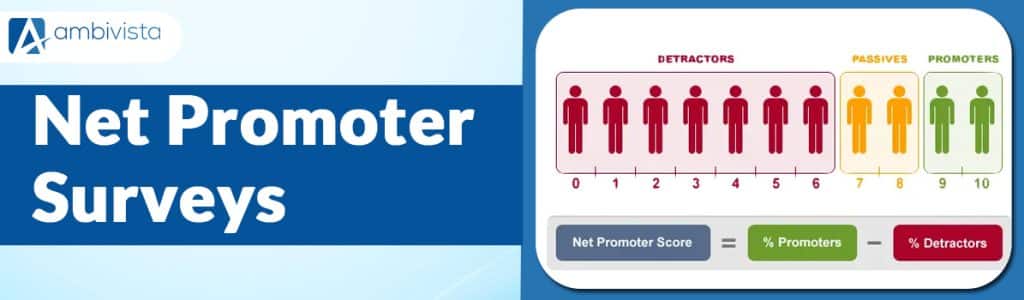
Net Promoter Surveys are distinguished by their simplicity, encapsulated in a single question: “How likely is it that you would recommend our company, product, or service to a friend or colleague?” This straightforward query serves as a litmus test for customer loyalty, categorizing respondents into Promoters, Passives, and Detractors.
Identifying Customer Sentiment
By segmenting customers based on their likelihood to recommend, businesses gain a nuanced understanding of customer sentiment. Promoters, the enthusiasts, advocate for the brand, while Passives are satisfied but not necessarily passionate. Detractors, on the other hand, signal potential areas for improvement. This segmentation is the first step in unveiling the complex dynamics of customer advocacy.
Actionable Insights for Improvement
A net promoter survey doesn’t stop at data collection; it aims to provide actionable insights. Through careful analysis of survey responses, businesses can uncover patterns and trends, identifying specific areas that may impact customer loyalty. Armed with this knowledge, organizations can make informed decisions to enhance the overall customer experience.
Cultivating a Customer-Centric Culture
Understanding customer feedback is more than a data-driven exercise; it’s about fostering a customer-centric culture. Net Promoter Surveys encourage organizations to prioritize customer perspectives, address pain points, and exceed expectations. This cultural shift towards a customer-centric approach is fundamental to nurturing long-term relationships.
Measuring the Ripple Effect of Advocacy
Customer advocacy is not just a theoretical concept, it has tangible effects on business outcomes. Net Promoter Surveys enable businesses to measure the ripple effect of advocacy on metrics such as brand loyalty, repeat business, and referrals. This insight empowers organizations to align their strategies with the factors that resonate most with their customers.
Conclusion:
As businesses navigate the intricacies of customer advocacy, Net Promoter Surveys emerge as a tool for decoding the subtle nuances of loyalty. This process is not just about calculating a score; it’s about uncovering the human elements that drive customer advocacy.
In the journey of understanding customer sentiments, a net promoter survey serves as a compass, pointing towards the path of sustained customer loyalty. By unraveling the secrets behind advocacy, businesses can forge lasting connections with their customers and build a reputation that extends far beyond mere transactions.
