


Yes, a net promoter survey can drive product strategy but only if you understand the why behind the scores.
Let’s say you ask your customers one easy question:
“How likely are you to recommend our product to others?”
That’s called a Net Promoter Score (NPS) survey and it gives you a quick idea of how happy people are with what you’re offering.
But here’s the thing: just knowing the score isn’t enough.
Imagine your product gets a score of 7 out of 10. Is that good? Bad? What should you fix? What should you keep? You won’t know unless you also ask one simple follow-up:
“Why did you give that score?”
That why – that extra bit of context – is the one thing that turns a basic customer rating into real insight that can guide your next product decision.
Let’s break it down and see how it works.
Wait, let’s have a quick recap: What is NPS?
If you’ve been busy with other numbers (or just want a quick reminder), the Net Promoter Score is a simple question that tells you how happy your customers are:
“On a scale of 0 to 10, how likely are you to recommend our product to a friend or colleague?”
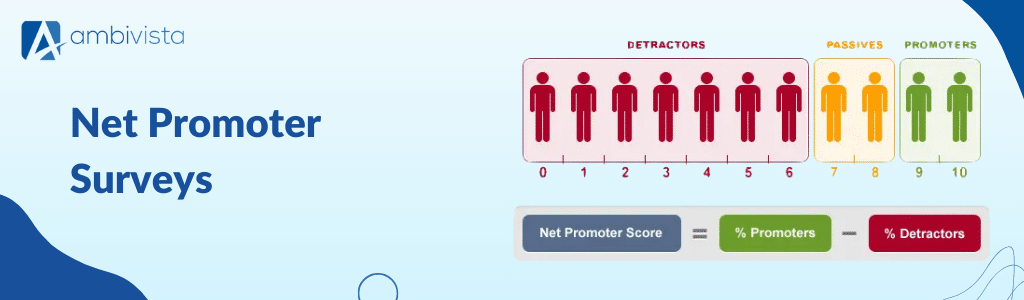
Customers are grouped based on their NPS responses into three categories:
- Promoters (score 9–10): Highly satisfied customers who are likely to recommend your product to others.
- Passives (score 7–8): Satisfied but unenthusiastic customers who may switch to competitors.
- Detractors (score 0–6): Unhappy customers who may share negative feedback and harm your brand reputation.
Your score? It’s the percentage of Promoters minus the percentage of Detractors. Simple. But here’s the thing…
NPS Alone Is Not a Strategy Compass
An NPS survey gives you a pulse, not a roadmap.
Let’s say your product’s NPS is 35. That’s not bad, but what now? Should you build new features? Kill existing ones? Change pricing? Introduce AI-powered peanut butter makers?
You won’t know unless you dig into why people scored the way they did. And that’s where context steps in to save the day.
The Key Ingredient: Context
A score alone doesn’t tell you much. It’s like checking a map without knowing where you’re headed.
You know how your customer feels – but not what to do about it.
That’s where context helps. It tells you why they gave that score and that’s what helps you decide what to fix, improve, or keep.
Let’s see how that works.
- Follow-up Questions Add Depth
An open-ended follow-up question like “What’s the main reason for your score?” turns a number into a story. It lets customers tell you what’s working, what’s broken, or what’s missing entirely.
- Segmented Data = Actionable Insights
NPS from all users isn’t as useful as NPS broken down by:
- First-time vs. repeat customers
- Free vs. paid plans
- Industry or use case
Knowing who said what helps you prioritize what matters to whom.
- Timing Matters
Are you sending your NPS survey right after onboarding? After support tickets? Quarterly? The timing will majorly impact the score and how you interpret it.
What NPS Feedback Can Actually Tell You
Now, imagine you’re doing your NPS survey the right way – asking customers why they gave their scores.
Here’s what you might hear:
- Detractors (customers who aren’t happy with the product) might say, “The user interface is confusing.” This means there’s a problem with how the product works, and it needs to be easier to use.
- Passives (customers who feel neutral – not very happy, but not unhappy either) might say, “It’s okay, but it doesn’t connect with the other tools I use.” This shows they want new features.
- Promoters (customers who love the product and tell others about it) might say, “I really like the product because it saves me several hours every week.”
This explains what makes your product valuable. This feedback doesn’t just influence product tweaks, it can drive roadmap decisions, messaging, pricing models, and more.
This kind of feedback helps you make better decisions, not just small fixes, but big choices about what features to build, how to talk about your product, and how to price it.
Instead of guessing, you’re actually listening to what your customers want.
How Do You Turn NPS Scores Into Action?
Getting a score is just the start. To make it count, you need to:
- Ask why: Follow up to understand the reason behind each score.
- Segment feedback: Look at different customer groups separately.
- Take action: Use insights to fix problems, add features, or boost what’s working.
When you connect scores with real reasons and act on them, NPS becomes a powerful tool for your product.
Final Thought
Think of NPS like a text message from your customer.
If all you see is a number like “7” – which means the customer is neutral or somewhat satisfied, that can be confusing.
But if they say,
“7 – because the product works well, but it takes too long to load,”
that’s gold.
The number is just the beginning. The real story is the reason why the customer gave that score. And understanding that reason helps you make better products.
