


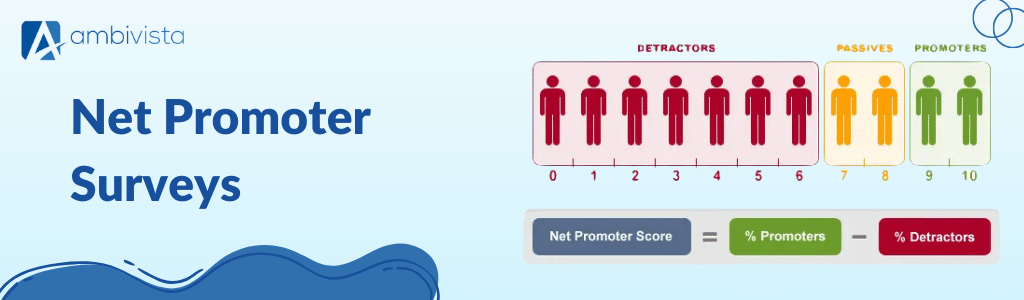
For decades, the Net Promoter Score (NPS) has been the default way to measure customer loyalty.
- The Question: “How likely are you to recommend us to a friend or colleague?”
- The Appeal: Simple, widely recognized, and gives a quick snapshot of satisfaction.
But here’s the catch: in today’s fast-paced, experience-driven world, a single number rarely tells the full story. Conducting a net promoter survey is just the starting point; customers are more than a score, they’re experiences, emotions, and expectations. Relying solely on the classic NPS question can mean missing the real insights that drive better decisions and stronger loyalty.
The Limitations of the Classic NPS Question
While the standard NPS question captures an overall sentiment, it doesn’t reveal the why behind the score. Two customers might both give a rating of 7, but one might be frustrated with slow support while the other simply hasn’t experienced the brand fully. Without context, businesses risk making decisions based on incomplete information.
Additionally, customer expectations are evolving. People want personalized experiences, and loyalty isn’t just about recommending a product, it’s about how the experience made them feel, how valued they felt, and whether their expectations were met.
Moving Beyond the Single Question
To truly understand customer loyalty, consider adding follow-up questions that dig deeper:
- Contextual “Why” Questions: Ask why the customer gave a particular rating. This can uncover pain points or highlight standout experiences.
- Experience-Specific Ratings: Instead of a generic recommendation, measure satisfaction with specific interactions like support, delivery, or onboarding.
- Emotion-Based Metrics: Gauge feelings such as trust, confidence, or delight to see the emotional drivers behind loyalty.
Benefits of a Multi-Dimensional Approach
By going beyond the standard NPS question, organizations can:
- Identify actionable insights rather than just a number.
- Understand different customer segments and their unique experiences.
- Make data-driven decisions to improve products, services, and customer experience strategies.
Final Thoughts
The traditional NPS question is useful, but it’s only the beginning. One number from a net promoter survey can’t show the full picture of your customers’ experiences. By adding follow-up questions and looking at how customers actually feel, businesses can understand loyalty much better and make decisions that truly connect with their customers.
